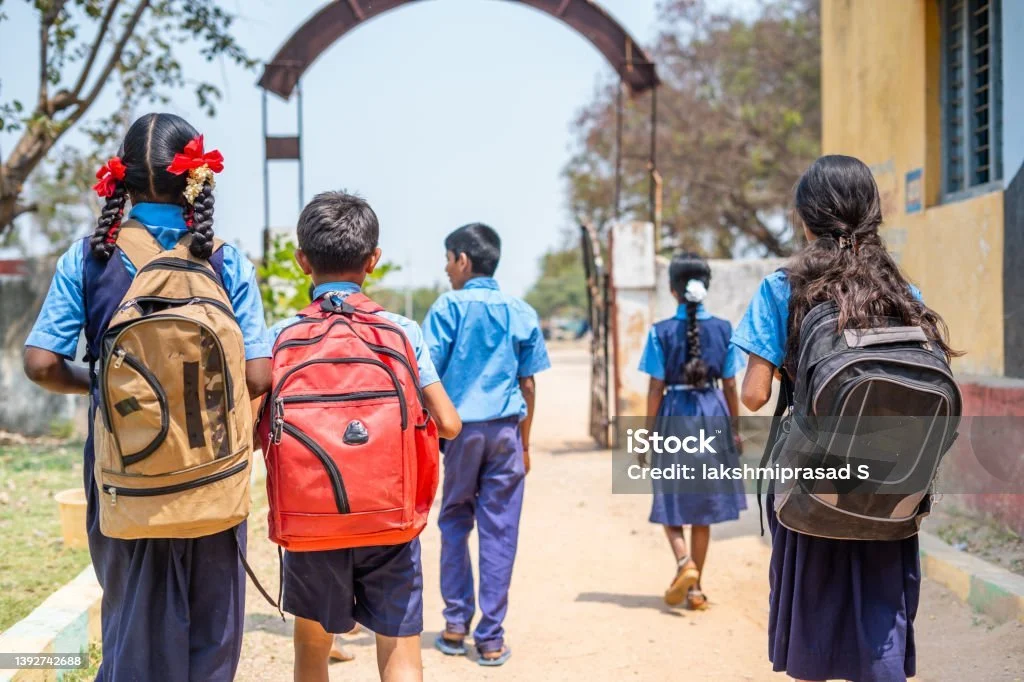
USIPI works to strengthen educational access and outcomes for marginalized communities, particularly Muslims, through targeted assessments and interventions. From piloting coaching programs in Maulana Azad Model Schools to advocating for digital classrooms and teacher training, our initiatives aim to close the equity gap and promote inclusive learning.
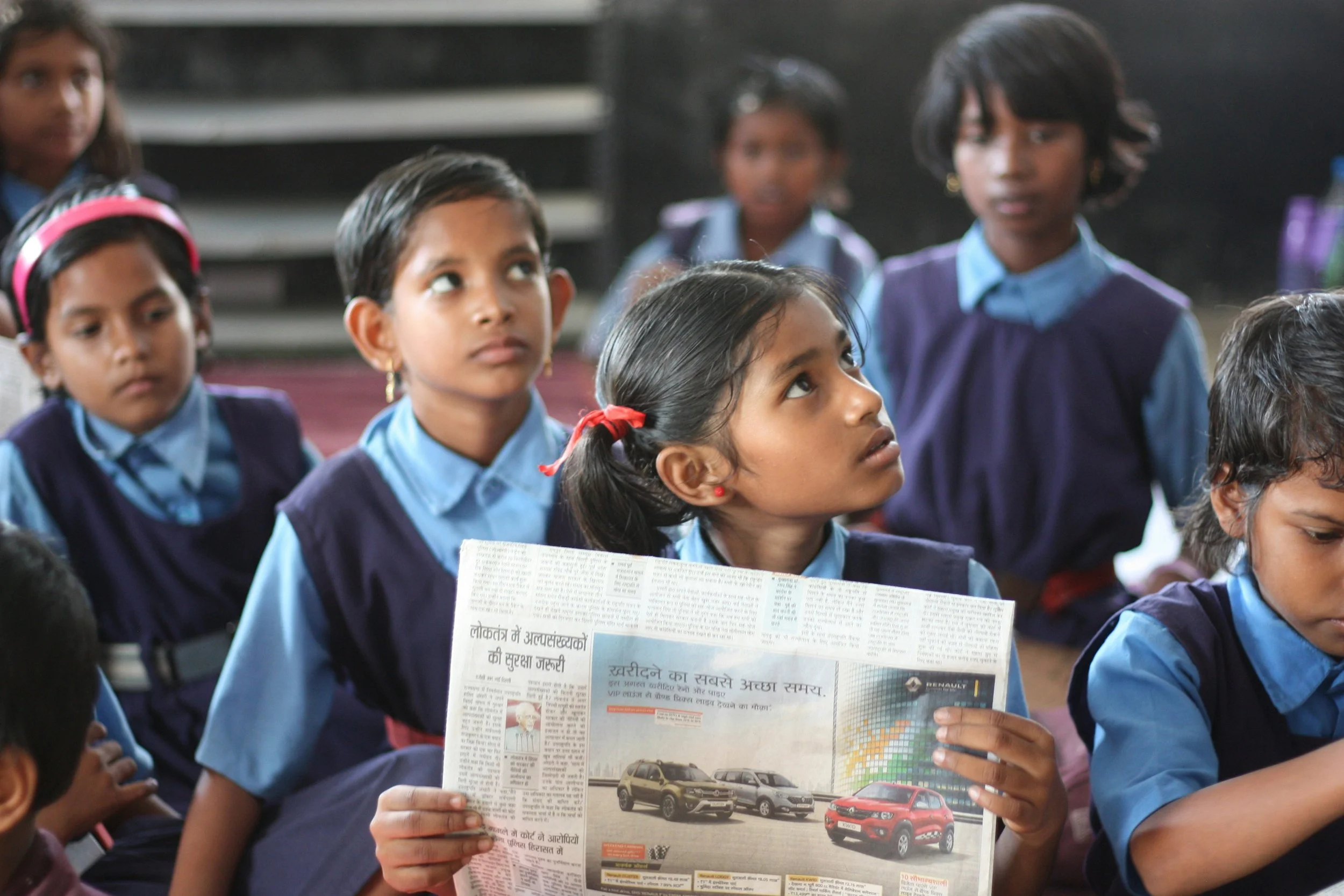
Identifying the Problem
Back in 2023, USIPI organized a visit of an NRI delegation to assess the state of the public education ecosystem in the southern state of Karnataka.
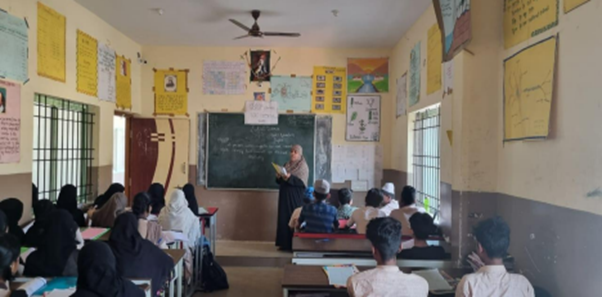
In the wake of sustained educational marginalization of India’s Muslim community, the Karnataka state government launched the Maulana Azad Model Schools (MAMS) initiative in 2017-18, with an ambitious plan to establish 500 residential secondary schools across minority-concentrated areas. By 2023, 200 such schools were operational, enrolling nearly 40,000 students, the majority from economically and socially disadvantaged Muslim families.
Despite promising infrastructure, USIPI's field assessment, led by USIPI Scholar-in-chief and development policy expert Dr. Abusaleh Sharif, revealed critical systemic gaps:
Over 60% of teachers were untrained “guest teachers”, receiving minimal honoraria.
Academic outcomes were alarmingly poor: less than 50% of students cleared the SSLC (10th grade) board exams, compared to 86% statewide.
Students lacked access to effective pedagogy, reliable instruction, and mentorship—leading to low proficiency and learning outcomes, despite regular school attendance.
This situation reflected what USIPI called the “separate but unequal” paradox—a model that physically includes marginalized communities but leaves them trapped in low-quality education systems.
Designing the Intervention
USIPI, in partnership with the Centre for Research and Debates in Development Policy (CRDDP), designed a pilot program grounded in three pillars:
1. Learning Outcomes Assessment: A diagnostic evaluation of MAMS students in math and science to establish baseline proficiency and track improvement.
2. Short-Term Coaching Support: Over a 12-week period (Jan–Mar 2023), selected 10th-grade students from 11 schools across Tumkur, Channapatna, and Yelahanka were offered weekend remedial coaching, covering over 150 hours of personalized instruction.
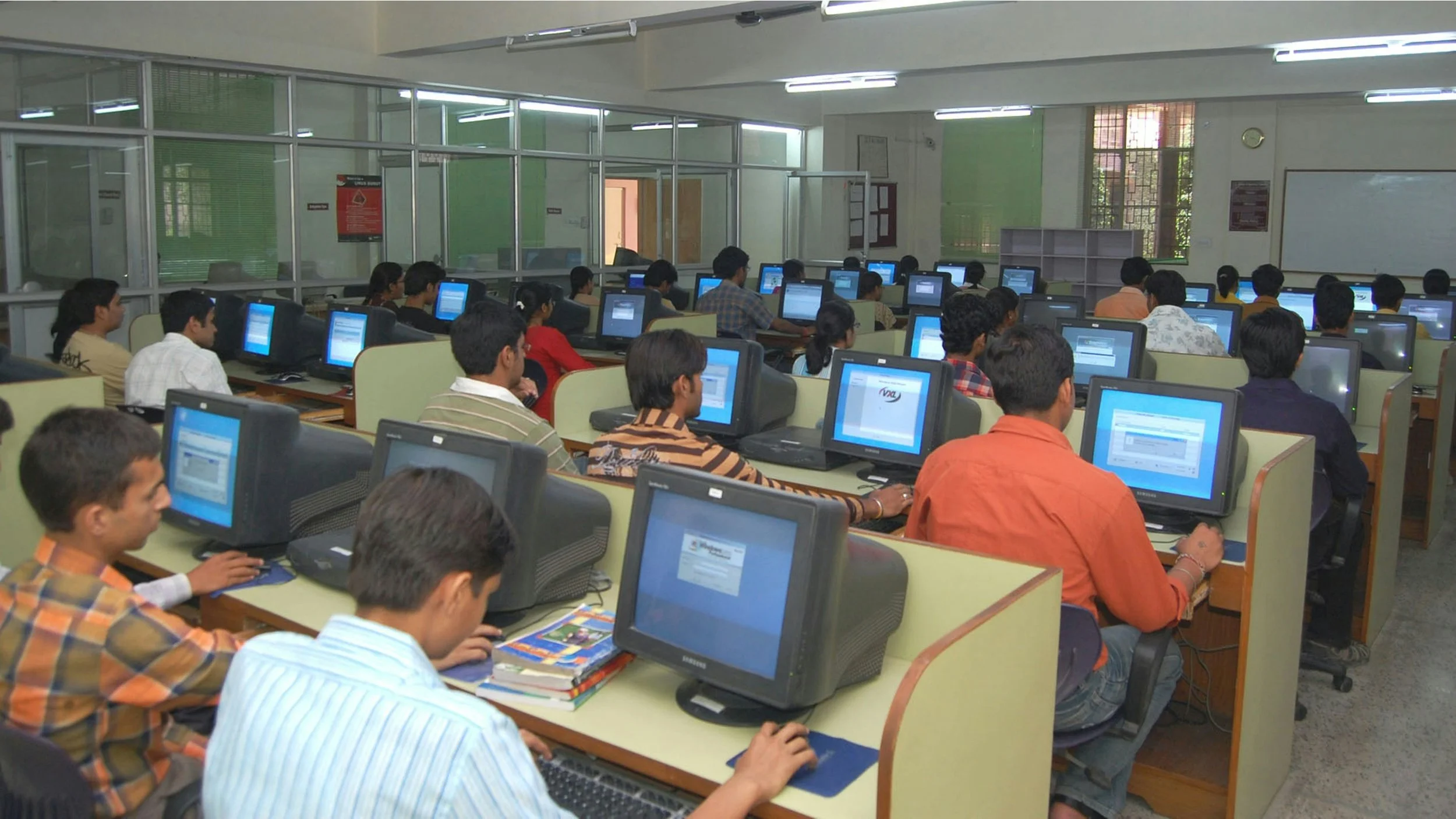
3. Technology-Enabled Long-Term Reform: USIPI advocated for the Virtual Online Flip and Flexible Learning (VOFFL) model, also referred to as the Future Tech School System, a hybrid teaching solution offering:
- QR-coded tech textbooks
- Teacher training apps and lesson plans
- Parent dashboards for tracking performance
- Cloud-based management systems
- Foundation coaching aligned with national competitive exams (NEET/JEE)
Impact of the Pilot
The results from the remedial coaching pilot were encouraging:
GPA in mathematics improved from 3.04 to 3.76
GPA in science improved from 3.04 to 3.72
Students initially scoring in the ‘C’ or ‘B’ range moved to ‘A’ grades in internal assessments.
Board exam scores confirmed these improvements, showing clear evidence that supplemental academic support could bridge systemic teaching gaps.
Over 350 students benefited from the pilot. This success laid the foundation for scaled recommendations.
Strategy & Recommendations
Based on its findings, USIPI is advocating for the following systemic changes:
1. Digital Curriculum Integration
- Distribute hybrid tech books embedded with assistive video learning for core subjects.
- Ensure access to one smart classroom per grade in every MAMS.
2. Teacher Training & Upskilling
- Provide online pedagogy training for the 950+ guest teachers currently serving MAMS.
- Develop hybrid modules focused on teaching quality, lesson planning, and assessment techniques.
3. Socio-Economic Reinforcement
- Offer scholarships, counseling, and mentorship—particularly to support girl students and reduce dropout rates.
- Involve families through parental engagement tools and dashboards.
4. Policy-Level Engagement
- Engage state-level authorities to mainstream VOFFL into MAMS and other school types (government, aided, private).
- Advocate for establishing Equal Opportunity Commissions in each state to monitor diversity, implementation of quotas, and education outcomes.
Looking Ahead
The Karnataka MAMS project demonstrates USIPI’s robust method of combining evidence-based diagnostics, pilot interventions, and policy engagement to address inequities and systemic gaps. With donor support, this model can be scaled across India’s underserved minority education ecosystem, enabling equal opportunity and giving every child a fair chance at success.